

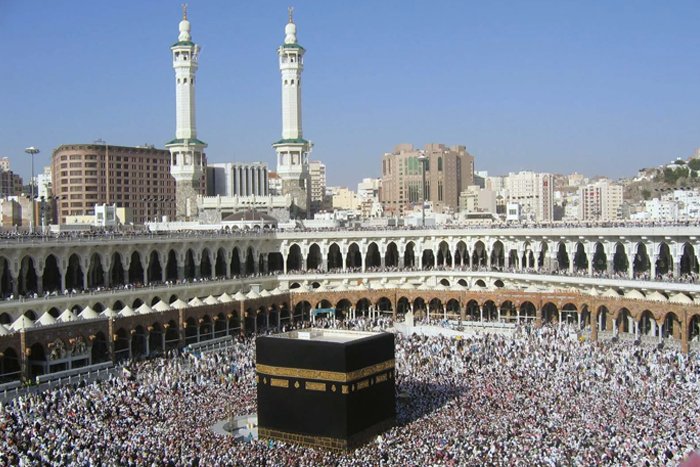
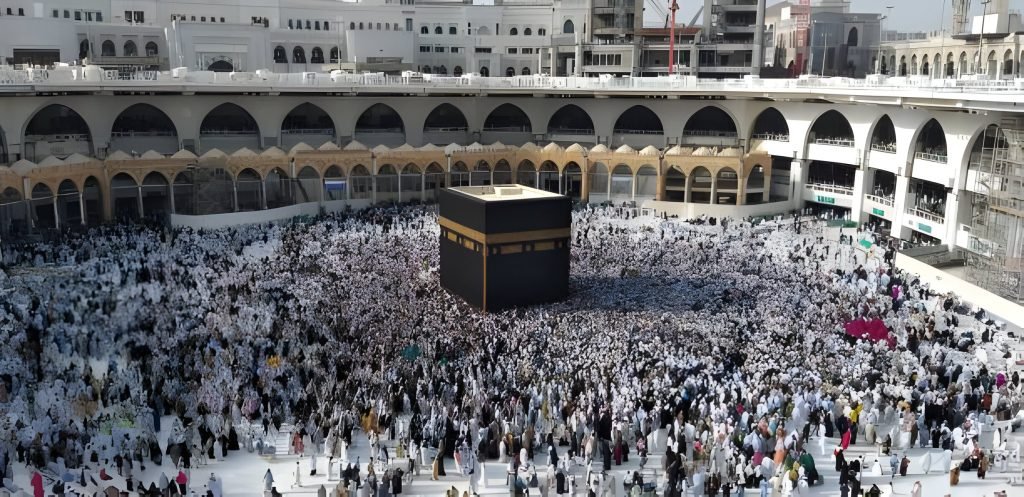
Performing Umrah is a beautiful and spiritually uplifting journey. Whether you are a first-time pilgrim or traveling again, understanding the correct Umrah procedure step by step is essential. Many Muslims search for how to perform Umrah, Umrah step-by-step guide, and Umrah ka tareeqa, but struggle to find a simple explanation.
What Is Umrah? Tawaf step-by-step guide, Umrah tawaf guide, Tawaf ki dua
Umrah is a voluntary pilgrimage to Makkah that can be performed at any time of the year, except during the days of Hajj. It consists of four rituals:
Ihram
Tawaf
Sa’i
Halq or Qasr
This complete Umrah guide for beginners explains each step in detail.
Entering the State of Ihram
Steps of Performing Umrah
Go to the Black Stone (Hajar al-Aswad)
Start with: “Bismillah Allahu Akbar.”
Walk seven rounds counterclockwise around the Kaaba
Men perform Raml (brisk walking) in the first 3 rounds
After completing all 7 rounds, pray two raka’ah behind Maqam Ibrahim (or anywhere)
Tawaf – Circling the Kaaba
Tawaf is one of the most emotional and beautiful rituals of Umrah.
How to Perform Tawaf Step by Step
Drink Zamzam Water
This is a powerful moment for duas. You may read “Rabbana atina fid-dunya hasanah…” or any personal dua.
Entering Ihram is the first step of Umrah and sets the spiritual tone for your pilgrimage.
Ihram Clothing
For Men:
Two unstitched white sheets (Izar & Rida)
For Women:
Any modest Islamic clothing (no specific color required)
How to Wear Ihram for Umrah
Perform wudu or ghusl
Wear Ihram clothing
Pray two raka’ah (optional but recommended)
Make the intention:
“Labbayk Allahumma Umrah.”Recite the Talbiyah continuously:
“Labbayk Allahumma Labbayk…”
Your Ihram begins at the Miqat, depending on your travel route
Tawaf – Circling the Kaaba
Tawaf is one of the most emotional and beautiful rituals of Umrah.
How to Perform Tawaf Step by Step
Go to the Black Stone (Hajar al-Aswad)
Start with: “Bismillah Allahu Akbar.”
Walk seven rounds counterclockwise around the Kaaba
Men perform Raml (brisk walking) in the first 3 rounds
After completing all 7 rounds, pray two raka’ah behind Maqam Ibrahim (or anywhere)
Sa’i Between Safa and Marwah
Sa’i symbolizes the struggle and trust of Hajar (AS). It is performed after Tawaf.
How to Perform Sa’i
-
Start at Safa
-
Face the Kaaba and make dua
-
Walk towards Marwah
-
Each trip counts as one lap
-
Complete seven laps (Safa → Marwah = 1)
Brisk Walking Area
-
Men walk fast between the green lights
-
Women walk normally
You may read any dua or dhikr during Sa’i.
Halq or Qasr (Shaving or Trimming Hair)
This is the final step of your Umrah complete method.
For Men:
-
Halq (shaving) is preferred
-
Qasr (trimming) is allowed
For Women:
-
Trim hair equal to a fingertip length
Your Umrah is complete after this step.
Umrah shaving rules, Halq or Qasr explained
Duas to Read During Umrah
There are no fixed duas for Tawaf or Sa’i. You may recite:
-
“SubhanAllah”
-
“Alhamdulillah”
-
“Allahu Akbar”
-
“Rabbana atina fid-dunya hasanah…”
-
Any personal dua
Umrah ki dua, Tawaf ki dua, Sa’i ki dua
What to Pack for Umrah
A simple Umrah checklist helps avoid stress.
-
Ihram clothing
-
Comfortable footwear
-
Basic toiletries
-
Ihram belt (for men)
-
Small bag for the Masjid
-
Passport & documents
-
Power bank
-
Prayer mat
-
Umrah preparation checklist
Helpful Tips for First-Time Pilgrims
-
Stay hydrated
-
Avoid peak crowd hours
-
Wear comfortable shoes
-
Follow mosque guidelines
-
Rest when needed
-
Keep patience — Umrah is spiritual, not a race
Frequently Asked Questions (FAQs)
1- What is the best time of year to perform Umrah?
Essential items to pack for Umrah include your Ihram garments, comfortable footwear, personal hygiene products, medications, a small backpack, a prayer mat, a pocket Quran, and any necessary travel documents. It’s also helpful to bring a guidebook or app for performing Umrah rituals.
2- What items should I pack for my Umrah trip?
Umrah can be performed at any time of the year, but many pilgrims prefer to go during Ramadan due to the increased spiritual rewards and the special atmosphere in Makkah and Madinah. However, it’s advisable to avoid the peak Hajj season and school holidays to experience less crowded conditions.